Wednesday, May 21, 2025

Green Tech: Innovations for a Sustainable Future

Green Tech: Innovations for a Sustainable Future

In an era defined by climate change and environmental degradation, the need for sustainable solutions has never been more urgent. Green technology—or sustainable tech—is leading the charge toward a cleaner, more responsible future. From renewable energy to smart systems that minimize waste, these innovations are reshaping how we live, work, and interact with our planet.


What Is Green Technology?

Green Tech: Innovations for a Sustainable Future  refers to the application of science and innovation to create environmentally friendly products, services, and systems. Its primary goals include reducing pollution, conserving natural resources, and promoting energy efficiency. This broad field spans industries such as energy, transportation, agriculture, construction, and even consumer electronics.


Key Innovations Driving a Greener Future
1. Renewable Energy Solutions

Solar, wind, hydro, and geothermal energy sources are at the forefront of sustainable tech. Advances in solar panel efficiency, offshore wind turbines, and energy storage systems (like lithium-ion and solid-state batteries) are making clean energy more accessible and reliable than ever.


2. Smart Grids and Energy Management

Smart grids use digital technology to monitor and manage the distribution of electricity more efficiently. Paired with AI and IoT (Internet of Things), these systems can reduce energy waste, balance supply and demand, and integrate renewable sources more effectively.


3. Sustainable Transportation

Electric vehicles (EVs), hydrogen fuel cells, and biofuels are transforming the transportation industry. Companies like Tesla, Rivian, and legacy automakers are pushing boundaries with longer-range EVs and more sustainable manufacturing processes. Public transportation is also seeing green upgrades through electric buses and trains.


4. Green Building Technologies

Green Tech: Innovations for a Sustainable Future architecture focuses on energy-efficient materials, smart heating/cooling systems, and sustainable construction practices. Innovations like solar roofs, living walls, and 3D-printed homes using recycled materials are paving the way for eco-friendly living spaces.


5. Circular Economy and Waste Reduction

Instead of the traditional take-make-dispose model, the circular economy promotes reusing, recycling, and remanufacturing. Companies are increasingly designing products with longer life cycles, modular parts, and minimal packaging to reduce landfill waste and resource depletion.


6. Precision Agriculture

Agritech innovations such as drone monitoring, AI-driven analytics, and water-efficient irrigation are making farming more sustainable. These technologies help increase yield while reducing the environmental footprint of agriculture.


Challenges and Considerations

Despite progress, green tech faces hurdles. High upfront costs, regulatory barriers, and resistance to change can slow adoption. Additionally, technologies like battery production and rare earth mining must themselves be made more sustainable to avoid shifting the environmental burden elsewhere.


The Role of Policy and Investment

Government policies and global agreements (like the Paris Climate Accord) play a vital role in encouraging green innovation. Incentives, subsidies, and carbon pricing mechanisms can accelerate the development and adoption of sustainable technologies. Meanwhile, investors are increasingly channeling funds into environmentally and socially responsible ventures, recognizing the long-term value of sustainability.


Conclusion

Green Tech: Innovations for a Sustainable Future is more than a trend—it’s a necessary response to the environmental challenges facing our planet. As innovation continues, these technologies hold the promise of a cleaner, more resilient future. From how we power our homes to how we travel and produce goods, green technology is not just transforming industries—it's helping to preserve the world for generations to come.


https://www.allyourchoice.co.in/market/ai/green-tech-innovations-for-a-sustainable-future/

Navigating Long COVID Symptoms

Navigating Long COVID Symptoms

Understanding and Managing Long COVID Symptoms


Navigating Long COVID Symptoms. As the world continues to recover from the acute phase of the COVID-19 pandemic, many individuals face a lingering challenge: Long COVID. This condition refers to a range of symptoms that persist for weeks or even months after the initial infection has cleared. Navigating these symptoms can be confusing and frustrating, but understanding what Long COVID entails and how to manage it can help improve quality of life.


What Is Long COVID?

Navigating Long COVID Symptoms also known as post-acute sequelae of SARS-CoV-2 infection (PASC), affects a significant number of people who have had COVID-19, regardless of the severity of their initial illness. While most recover within a few weeks, others experience ongoing symptoms that can disrupt daily life.


Common Symptoms to Watch For

Long COVID symptoms vary widely but often include:


Fatigue: Persistent tiredness that doesn’t improve with rest.


Shortness of Breath: Difficulty breathing or feeling breathless with minimal activity.


Cognitive Issues: Often called “brain fog,” this includes trouble concentrating, memory problems, and confusion.


Muscle and Joint Pain: Ongoing aches or stiffness.


Chest Pain and Heart Palpitations: Irregular heartbeat or chest discomfort.


Sleep Disturbances: Trouble falling or staying asleep.


Anxiety and Depression: Mental health challenges linked to prolonged illness.


Why Does Long COVID Happen?

Navigating Long COVID Symptoms. Researchers are still uncovering the exact causes, but potential explanations include persistent inflammation, immune system dysregulation, and lingering viral fragments in the body. Some theories also suggest that COVID-19 may trigger or worsen other underlying health conditions.


How to Manage Long COVID Symptoms

Managing Long COVID requires a patient and multifaceted approach:


Medical Evaluation: Consult healthcare providers who are knowledgeable about Long COVID. They may recommend tests to rule out other conditions and tailor a treatment plan.


Symptom Tracking: Keep a daily journal of symptoms, noting their severity and any possible triggers. This can help your care team adjust your treatment effectively.


Pacing and Rest: Listen to your body and avoid overexertion. Balancing activity with rest can prevent worsening symptoms.


Physical Therapy: Gentle, guided exercise can improve stamina and reduce muscle pain, but it should be introduced gradually.


Mental Health Support: Seek counseling or support groups to cope with anxiety, depression, or isolation.


Nutrition and Hydration: A balanced diet and adequate fluids support overall health and recovery.


When to Seek Urgent Care

If you experience severe chest pain, difficulty breathing, confusion, or fainting, seek emergency medical care immediately.


Looking Ahead

Long COVID is an evolving medical challenge, but progress is being made. Ongoing research is shedding light on effective treatments, and many healthcare systems are developing specialized clinics to support patients. Patience, self-care, and professional support remain key in navigating this condition.


  https://www.allyourchoice.co.in/lifestyle/health-and-fitness/navigating-long-covid-symptoms/

Thursday, May 15, 2025

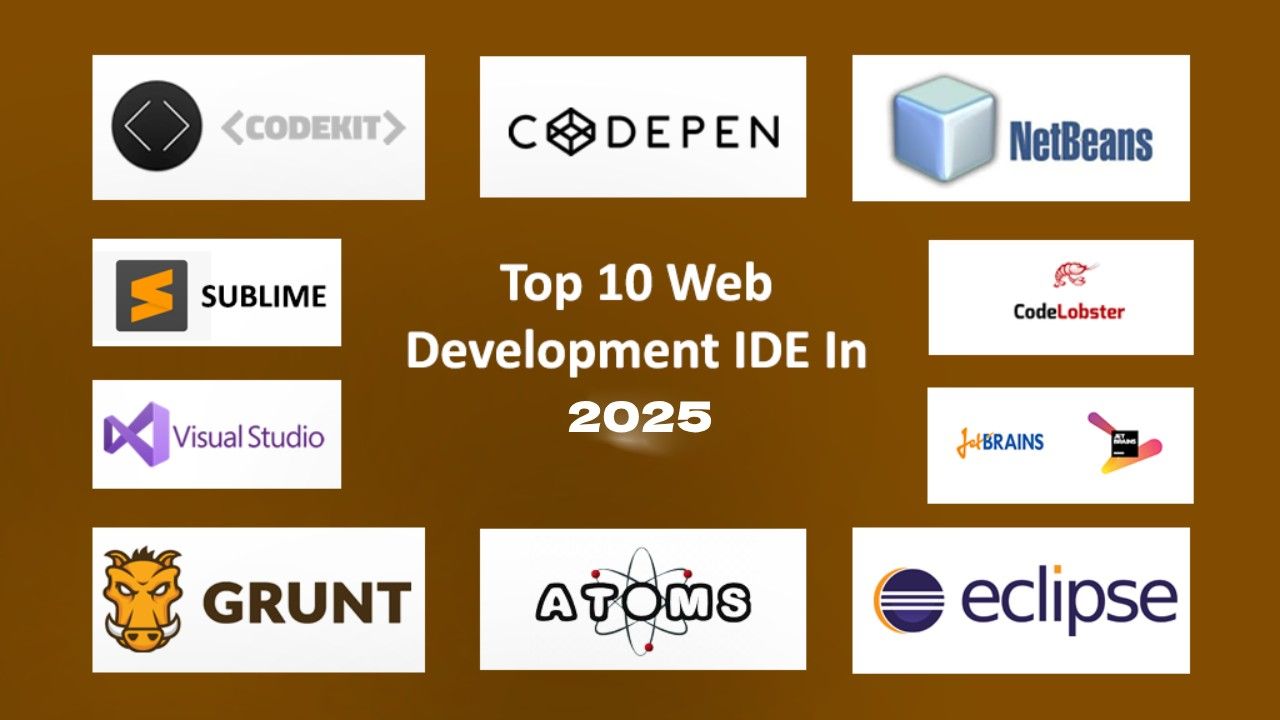
The Best IDEs for JavaScript Developers in 2025

The Best IDEs for JavaScript Developers in 2025

2025's Most Popular IDEs for JavaScript Development


The Best IDEs for JavaScript Developers in 2025. JavaScript remains among the most sought-after programming languages, fueling everything from web development to mobile applications and server-side apps. As a JavaScript developer, the right Integrated Development Environment (IDE) can dramatically boost your productivity, automate your workflow, and enhance the quality of your code. Many robust IDEs in 2025 meet various development requirements, whether it's front-end, back-end, or full-stack development. In this article, we'll discuss the top IDEs for JavaScript developers in 2025, including their features, advantages, and applications.
1. Visual Studio Code (VS Code)
Overview: Microsoft's Visual Studio Code is still among the top IDEs for JavaScript programmers, and it doesn't look to be slowing down anytime soon in 2025. It's lightweight, open-source editor that is full of robust features that simplify code authoring and make it more efficient.
Key Features:
IntelliSense: Auto-completion and smart suggestions for JavaScript, HTML, CSS, and more.
Integrated Terminal: Execute your Node.js scripts and tests within the IDE itself.
Extensions: Huge repository of extensions to add functionality to JavaScript frameworks such as React, Angular, and Vue.js.
Debugging Support: Comprehensive built-in debugger for client-side and server-side JavaScript code.
Git Integration: Integrated version control through Git.
Why It's Great for JavaScript Developers: VS Code is a favorite among JavaScript developers due to its high performance, customizable options, and large community support. Whether you're developing front-end libraries or back-end frameworks, VS Code has the flexibility to fit your requirements.
2. WebStorm
Overview: WebStorm is an IDE by JetBrains built specifically for JavaScript and web development in general. It's a high-end product with sophisticated features and full support for JavaScript frameworks.
Key Features:
Smart Code Completion: Intelligent code completion support that offers intelligent code completion for JavaScript, TypeScript, and mainstream libraries and frameworks (e.g., React, Angular, Node.js).
Refactoring Support: Refactoring capabilities to assist you in cleaning up and optimizing your code.
Built-in Features: In-built support for tools such as Git, terminal, test runners, and Docker.
Framework Support: Very good default support for up-to-date frameworks, such as React, Vue.js, Angular, etc.
Test Integration: Direct integration support with JavaScript testing libraries such as Jest, Mocha, and Karma.
Why It's Great for JavaScript Developers: WebStorm has a full-featured set of tools that are ideal for developers who require a one-stop-shop solution. Its extensive understanding of JavaScript libraries and frameworks makes it a great tool for serious, large-scale JavaScript development projects.
3. Sublime Text
Overview: Sublime Text is a light but powerful text editor that has a strong following among developers. Although it's not an IDE, its speed, extensibility, and simplicity make it a great option for JavaScript developers in 2025.
Key Features:
Speed and Performance: Famous for being fast and light, Sublime Text enables developers to code with little lag.
Customizability: Editor is extremely customizable with a huge set of plugins that can be accessed through the package manager.
Multi-caret Editing: Enables you to edit multiple lines of code at once for more efficiency.
Cross-Platform: Runs smoothly on Windows, macOS, and Linux.
Syntax Highlighting: Syntax highlighting support for JavaScript, JSON, HTML, CSS, and many more.
Why It's Great for JavaScript Developers: Sublime Text is ideal for developers who want a minimalist style but still need robust features such as syntax highlighting, multi-caret editing, and the capacity to add third-party packages to enhance functionality. It's particularly beneficial for developers of smaller JavaScript projects or scripts.
4. Atom
Overview: Atom, developed by GitHub, is an open-source text editor that is highly customizable and popular among web developers. It offers a sleek user interface and an array of features that make it ideal for JavaScript development.
Key Features:
Hackable: Atom is highly customizable through plugins and themes, allowing you to tailor the editor to your workflow.
Built-in Git Support: Direct Git integration for version control and collaboration.
Package Manager: Having an easy way to install packages to include additional features (e.g., linters, debuggers, and integration with other tools).
Collaboration Tools: Such things as Teletype for collaborative coding in real-time, which is perfect for group projects.
Why It's Great for JavaScript Developers: Atom's flexibility and extensibility make it an excellent choice for developers who need a customizable environment. While it may not be as feature-rich as some of the other IDEs, its vibrant community and integrations allow you to enhance the IDE to suit your development needs.
5. Eclipse Theia
Overview: Eclipse Theia is an open-source IDE that's intended to give you a cloud and desktop development experience. It wants to offer you the same experience as Visual Studio Code but with all its components based on web technologies.
Key Features:
Cloud-Native: Designed to be used both in the cloud and on your desktop, with a uniform experience across platforms.
Modular: Very modular, so you only install the bits you need to do JavaScript development.
Git Integration: Complete Git integration, allowing you to conveniently work with your repositories within the IDE.
Customizable: Similar to VS Code, Theia accommodates extensions and plug-ins for further functionality.
Why It's Great for JavaScript Developers: Eclipse Theia is an excellent option for developers who require flexibility and scalability for their development environment. It's most suitable for those who prefer a cloud-based IDE or want to work using a fully open-source environment. Its flexibility also makes it ideal for huge projects or teams, or even large enterprises.
6. Brackets
Overview: Brackets is a free, open-source IDE that is specifically designed for web development. It is light and geared towards front-end developers, which makes it a great option for coding in JavaScript, HTML, and CSS.
Key Features:
Live Preview: See changes to your JavaScript, HTML, and CSS code instantly in the browser while you code.
Preprocessor Support: Preprocessor support built right in for preprocessors such as Sass and LESS.
Inline Editors: A nice feature that lets you edit CSS right inside your HTML file.
Extension Library: A good choice of extensions to tailor Brackets for JavaScript coding.
Why It's Great for JavaScript Developers: Brackets is perfect for developers who spend most of their time working on front-end JavaScript, particularly on web design and UI projects. Live preview and inline editing enable them to easily speed through designs and front-end code iterations.
Conclusion
Selecting the proper IDE.  The Best IDEs for JavaScript Developers in 2025 can make a huge difference in your development speed, productivity, and overall experience. Visual Studio Code and WebStorm are still the favorites among most JavaScript developers in 2025 because of their feature set, extensibility, and great support for new frameworks. But for those who care about performance and minimalism, Sublime Text and Atom are excellent alternatives. For a cloud-native or collaborative solution, Eclipse Theia presents a promising future-proof option. If you are concentrating on front-end development, Brackets is still a favorite.
The Best IDEs for JavaScript Developers in 2025, ultimately, relies on your needs, the project complexity, and your workflow preferences. Experiment with a couple of these choices and find out which one works best for you. Happy coding! https://www.allyourchoice.co.in/education/the-best-ides-for-javascript-developers-in-2025/

Lucknow Super Giants vs Sunrisers Hyderabad - 19 May 2025

Match details for Lucknow Super Giants vs Sunrisers Hyderabad - 19 May 2025 https://www.allyourchoice.co.in/matches/lucknow-super-giants-vs-sunrisers-hyderabad-19-may-2025/

Tuesday, May 13, 2025

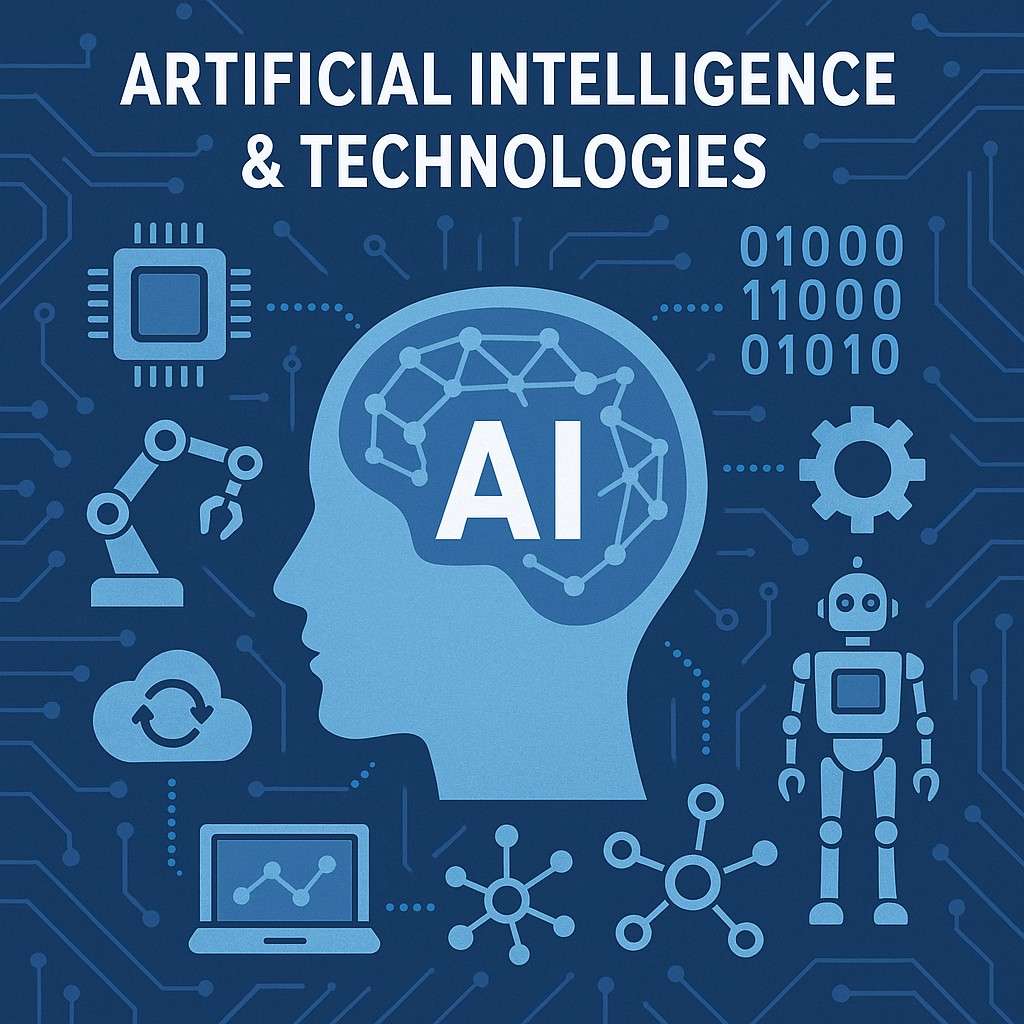
Artificial Intelligence and Technologies

Artificial Intelligence and Technologies

Artificial IntelligenceFostering the Future with Artificial Intelligence and Emerging Technologies


Introduction to Artificial Intelligence and Modern Technology
Artificial Intelligence (AI) and cutting-edge technologies are rapidly reshaping our lives—from personal convenience to global industries. As a branch of computer science, AI replicates human capabilities such as decision-making, learning, and reasoning. This section explains core concepts of AI and how they drive innovation in modern technology.

What is Artificial Intelligence (AI) and How Does It Work?


AI refers to intelligent machines or software that perform tasks typically requiring human intelligence, including:
- Learning and adapting from data
- Understanding and processing language
- Problem-solving and decision-making
- Recognizing images and voices

Types of Artificial Intelligence: Narrow, General, and Superintelligent AI


a. Narrow AI (Targeted AI Systems)
Designed to perform a single or limited task, like voice assistants or recommendation engines.
b. General AI (Human-Like Artificial Intelligence)
Mimics human thinking and can handle various tasks—still under research.
c. Superintelligent AI (Future AI Potential)
A theoretical AI that surpasses human intelligence in every field.

Key Components of AI Technologies


a. Machine Learning (ML) and Data-Driven Algorithms
Enables machines to learn from data and improve without direct programming.
b. Natural Language Processing (NLP) in AI
Helps machines understand, interpret, and generate human language.
c. Computer Vision and Image Recognition
AI can process and understand images and videos for various uses.
d. Voice Recognition and AI-Powered Assistance
Voice assistants use AI to process speech and respond like humans.

ЁЯза Top Trends in Artificial Intelligence and Emerging Technologies


1. Generative AI: The Intersection of Creativity and Automation
AI tools like ChatGPT and DALL·E are transforming creative industries and job roles.
2. AI in Everyday Life: Smart Homes and Personalized Tech
From virtual assistants to tailored healthcare, AI is shaping our daily experiences.
3. AI Job Automation and Workforce Transformation
How automation powered by AI is affecting global employment trends.
4. Beyond ChatGPT: The Future of AI Language Models
Exploring the next generation of advanced AI chatbots and applications.
5. Ethical AI: Addressing Bias, Privacy, and Transparency
Why ethical frameworks are vital in AI development and usage.
6. The Rise of Metaverse 2.0 and Immersive Technologies
A deeper dive into virtual worlds, Web3, and digital interaction.
7. AI-Powered Remote and Hybrid Workplaces
Technologies enabling productivity and flexibility in the future of work.
8. Cybersecurity in the AI Era: Threats and Protection Strategies
How AI is being used to predict, prevent, and manage cyber threats.
9. Quantum Computing: The Next Frontier in Artificial Intelligence
How quantum tech may revolutionize AI speed, accuracy, and scope.
10. Sustainable AI Technologies for a Greener Future
Innovations using AI to fight climate change and support eco-friendly living.

ЁЯМ┐ Health & Wellness Powered by AI and Technology


1. Longevity and Anti-Aging Breakthroughs with AI
Exploring how science and technology are extending human life.
2. Mental Health in the Digital Age
Managing stress, anxiety, and digital fatigue with AI tools and mindfulness.
3. Personalized Nutrition Through AI and DNA Analysis
Custom diets are designed using genetic and AI-based insights.
4. Gut Health and Microbiome Science
The connection between gut bacteria, wellness, and mood regulation.
5. Mindfulness and Meditation Techniques with Technology
Apps and smart devices are helping people reduce stress naturally.
6. AI-Powered Wearables and Virtual Fitness Platforms
Fitness trackers and digital workouts are redefining personal health.
7. Understanding and Managing Long COVID with Technology
Tracking symptoms, recovery, and lifestyle changes using smart health tools.
8. Sleep and Wellness: How Tech Can Improve Rest
AI-assisted sleep monitoring and solutions for better rest.
9. Exploring Alternative and Integrative Medicine
Tech-enabled approaches to holistic healing, from acupuncture to Ayurveda.
10. Latest Weight Loss and Diet Trends
From GLP-1 medications to intuitive eating—tech meets nutrition science.

ЁЯМН Sustainability and Environment-Driven Innovations


1. Individual Climate Action in the Tech Age
Simple, tech-supported steps for reducing your carbon footprint.
2. Sustainable Living with Eco-Friendly Technologies
Green gadgets and zero-waste practices made easier by innovation.
3. Renewable Energy Innovations and Clean Tech
The role of solar, wind, and other technologies in powering the future.
4. Environmental Impact of Fast Fashion
Tech-led transparency and ethics in the clothing industry.
5. Combating Food Waste with Smart Tech Solutions
Digital tools to shop, store, and cook more sustainably.
6. Protecting Biodiversity Using Data and AI
How AI supports conservation, species tracking, and habitat preservation.
7. Circular Economy: Rethinking Waste with Innovation
Smart design and recycling systems for a sustainable planet.
8. Green Tech for Homes and Transportation
Electric vehicles, smart homes, and carbon capture technologies.
9. Solving Water Scarcity with Smart Solutions
AI-powered data analytics to manage and conserve water.
10. Corporate Sustainability Goals and Tech-Driven Change
How businesses are embracing ESG (Environmental, Social, Governance) strategies.

ЁЯТ░ Finance and Economy in the AI and Tech-Driven Era


1. Inflation and Economic Uncertainty in 2025
Tips for managing personal finances during volatile times.
2. Emerging Investment Opportunities in AI and Green Tech
Top sectors for growth, from crypto to sustainable startups.
3. Cryptocurrency, Blockchain, and the Future of Finance
Understanding decentralized finance and blockchain innovation.
4. Gig Economy and Freelance Work in the AI Era
The rise of flexible work and how tech supports independent workers.
5. Smart Wealth Building and Financial Planning Tools
Budgeting, saving, and investing with tech-driven strategies.
6. Global Disruptions and Their Economic Effects
How pandemics, wars, and climate events impact local economies.
7. Sustainable and Ethical Investing
Putting your money into companies and causes that align with your values.
8. Digital Banking and Fintech Innovations
The shift to mobile-first banking and decentralized finance apps.
9. Housing Market Insights and Smart Investment Tools
Tech-driven analysis to help you buy or invest at the right time.
10. Entrepreneurship and Startups in the AI Economy
New business models, solopreneurs, and scalable digital ventures.

Conclusion: A Smarter, Safer, and More Sustainable Future


Artificial Intelligence and modern technologies are reshaping the world with unmatched speed and potential. From everyday conveniences to planetary challenges, they offer solutions and opportunities—but also require thoughtful regulation and ethical development. With the right approach, we can foster innovation responsibly for a better tomorrow. https://www.allyourchoice.co.in/market/ai/artificial-intelligence-and-technologies/